Discovering the Soul of Sapa
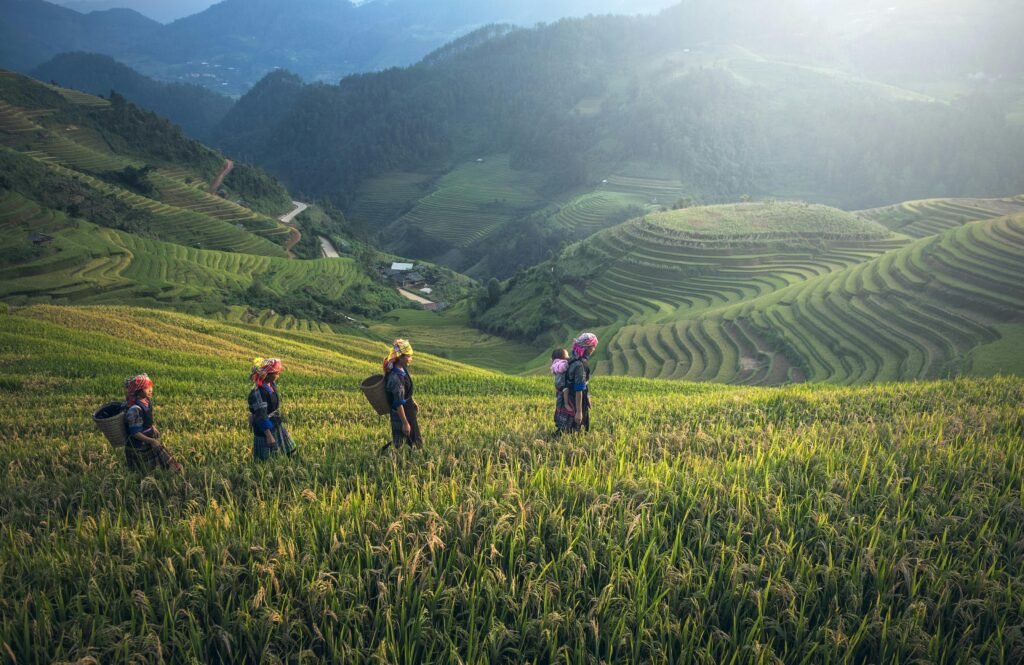
Sapa: Perched amidst the soaring peaks of the Hoàng Liên Sơn range in northwestern Vietnam, Sapa is a spellbinding hill‑town often described as Southeast Asia’s most alluring mountain retreat. Views of emerald terraced rice paddies cascade down the Mường Hoa Valley, set against misty highlands that rise toward Fansipan, Vietnam’s tallest peak. It’s a place where folklore, landscape, and heritage converge.
Sapa: A Rich Tapestry of History and Culture
Origins and Early Settlement
Sapa was originally a Hmong hamlet; its name likely deriving from the Hmong language term for “sandbank,” reflecting its role as a gathering place. French colonisers elevated its profile in the early 20th century, transforming it into a coveted highland retreat. Sapa became known as the “summer capital of the north.”
Modern Revival
Following decades of upheaval and neglect, Sapa re‑emerged in the early 1990s as a prime travel destination, its economy now powered by trekking, cultural tourism, and hospitality. Today, it’s home to over 70,000 residents, many belonging to ethnic groups such as the Hmong, Dao, Giáy, Xa Pho, and Tay.
Cultural Heritage
Nestled within Mường Hoa Valley, visitors can discover ancient petroglyphs – rock carvings dating back centuries that have even earned Sapa a place on UNESCO’s tentative World Heritage list.
Places to Visit: Landscapes, Villages, and Peaks
Fansipan Mountain
Known as the “Roof of Indochina,” Fansipan towers at 3,143 m and offers a breathtaking challenge for trekkers and nature lovers alike.
Mường Hoa Valley & Villages
The lush valley is defined by centuries-old terraced rice paddies and a tapestry of ethnic villages, including Ta Phin, Lao Chai, Ta Van, and Y Linh Ho, where rural traditions remain vibrantly alive.
- Ta Phin Village: Home to Red Dao and Black Hmong communities. Visitors can experience herbal baths and see intricate brocade weaving.
- Lao Chai & Ta Van: Rustic charm in stunning landscapes. Great for cultural immersion and simple trekking.
- Y Linh Ho: Easily accessible and offers sweeping terrace views – perfect for gentle hikes.
Markets & Local Life
The vibrant Sunday Bac Ha Market is a sensory feast where colourful hill‑tribe attire, textiles, and regional delicacies abound.
Sapa: Travel Tips & Practical Essentials
Getting There
From Hanoi, Sapa is reachable by a scenic 5–6‑hour overnight sleeper bus, or a drive via Lao Cai train station. A new airport is under construction, expected to open in 2026.
Seasonality & Weather
- September–October: Rice harvest renders the terraces golden—a popular window for photographers.
- March–May: Cool, lush, and blooming – less crowded and usually more inviting.
- Winter (Dec–Jan): Can be cold and foggy – with occasional snow even in town.
Things to Know
- Hire local guides when trekking to enrich cultural understanding and support sustainable tourism.
- Bring sturdy footwear, sun protection, insect repellent, and enough cash for local fees.
- Show respect when photographing local people – always ask permission first.
Awareness
The original town centre can feel noisy and crowded, seeping away its former tranquil charm.
Sample Itineraries: From Day‑Trips to Regional Sojourns
2‑Day Highland Escape
Day 1: Overnight travel from Hanoi. Morning visit to Stone Church and Ham Rong. Afternoon trek to Ta Van and Lao Chai. Evening homestay.
Day 2: Sunrise views or Fansipan cable car. Afternoon Bac Ha Market (Sunday). Return to Hanoi.
5‑Day Northern Vietnam & Sapa Loop
Day 1: Hanoi sightseeing.
Day 2: Transfer to Sapa; trek Cat Cat village.
Day 3: Extended trek through Lao Chai and Ta Van.
Day 4: Fansipan climb or Su Pan visit. Return to Hanoi.
Day 5: Mai Châu valley or further Hanoi exploration.
Where to Stay & Dine
Accommodation
- Homestays: Cultural immersion and village charm.
- Mid‑Range Hotels/Lodges: Comfort with mountain views.
Dining
5 Things to try:
Smoked Buffalo (Thịt Trâu Nướng) A signature dish of the northern mountainous regions, smoked buffalo is a testament to traditional preservation methods. Slices of lean meat are seasoned with a fragrant mix of local herbs and spices before being slowly smoked over wood fires. This process not only preserves the buffalo but also infuses it with a deep, smoky flavour. The tender, flavorful meat is typically enjoyed with zesty dipping sauces and fresh, crisp vegetables.
Five-Colour Sticky Rice (Xôi Năm Màu) This visually stunning dish is a staple at festivals and celebrations, representing harmony and balance within local ethnic communities. Made from glutinous rice, its vibrant colours are derived naturally from local ingredients, pandan leaves for green, butterfly pea flowers for blue, and beetroot for red. The steamed rice is a feast for the eyes and the palate, often served with a touch of mung bean paste or coconut milk for added richness.
Thang Co (H’Mong Stew) Thang Co is a hearty, traditional stew with roots in the H’Mong culture. This communal dish is typically prepared in a large pot with a base of beef or buffalo, simmered with an aromatic blend of spices like ginger, cardamom, and anise. Served during special gatherings, Thang Co is more than just a meal – it’s a shared experience that strengthens community bonds and nourishes both body and spirit.
Grilled Stream Fish (Cá Nướng) A favourite in regions blessed with fresh water, this dish showcases the simplicity of local cuisine. Freshly caught fish is marinated in a blend of herbs and spices, then expertly grilled over an open flame. This method locks in the fish’s natural flavours while giving the skin a delightful smoky char. Served with fragrant rice, fresh herbs, and a variety of dipping sauces, it’s a perfect reflection of the area’s abundant natural resources.
Red Dao Specialities The Red Dao community is known for a rich culinary heritage deeply connected to nature. Their specialities highlight regional ingredients, often incorporating herbs known for their medicinal properties. Popular dishes feature unique preparations of meat and fresh vegetables, frequently served alongside sticky or wild rice. This focus on local, fresh, and often foraged ingredients reflects the Red Dao’s sustainable way of life.
Beyond Sapa: Broader UK Travel Themes
- Heritage Tourism: Sapa’s cultural blend mirrors UK regional traditions.
- Landscape Hiking & Rail Journeys: UK hiking parallels in the Pennines or Scottish Highlands.
- Cultural Immersion: Textile and craft heritage, like Lancashire weaving towns.
- Food Trails & Markets: Bac Ha Market is as vibrant as the UK’s Borough or Portobello.
Final Thoughts: Why Sapa Matters
Sapa delivers an extraordinary blend of alpine vistas, ancient cultures, and immersive experiences. From its colonial past to its timeless terraces, it remains a crossroads of adventure, learning, and connection.
FAQs – Sapa
When is the best time to visit Sapa?
The best time to visit Sapa is from September to November or from March to May. During these periods, the weather is stable, with sunny days and clear skies, making it ideal for trekking. The rice terraces are also a vibrant green. From December to February, it can be very cold, and sometimes it snows, while the summer months (June-August) are often hot and rainy.
How do I get to Sapa?
The most common way to get to Sapa is from Hanoi. You can choose from:
Overnight Train: Take the train from Hanoi to Lao Cai station, which is about a 40-minute drive from Sapa. This is a popular and scenic option.
Bus: Several bus companies run direct routes from Hanoi to Sapa. This is the fastest and most direct option, taking about 5-6 hours.
Private Car: This is the most flexible option, allowing you to stop along the way, but it is also the most expensive.
What is there to do in Sapa?
Sapa is famous for its natural beauty and local culture. The main activities include:
Trekking: Hiking through the terraced rice fields and bamboo forests to visit ethnic minority villages.
Mount Fansipan: Take the cable car to the summit of Vietnam’s highest mountain for stunning panoramic views.
Local Markets: Explore the bustling Sapa Market to see local crafts, food, and colourful traditional clothing.
Homestays: Stay with a local family in a village for an authentic cultural experience.
What are the local tribes or ethnic minorities in Sapa?
Sapa is home to a diverse population of ethnic minority groups. The most prominent are the Hmong and Red Dao people, who are easily identifiable by their unique traditional clothing. You will often meet them in the town, at the markets, and in the villages.
Is it necessary to hire a guide for trekking?
While you can trek on your own, it is highly recommended to hire a local guide, especially for longer or more challenging routes. A local guide can help you navigate the trails, provide cultural context about the villages you visit, and ensure your trek is safe and respectful of the local communities.
What kind of weather should I expect?
Sapa has a sub-tropical climate, but due to its high altitude, the weather can be quite unpredictable and often chilly, especially in the evenings and during the winter. It is wise to pack layers of clothing, a waterproof jacket, and comfortable hiking shoes. Mist and fog are common, adding to the mysterious atmosphere of the mountains.